
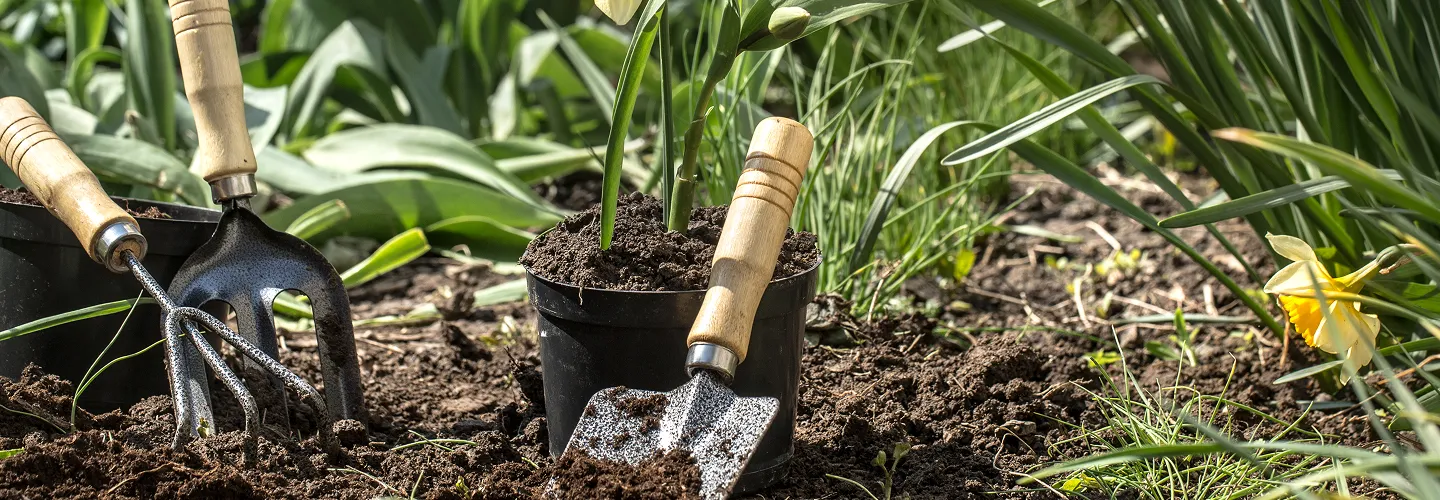
Temple Terrace Weeding Services
Choose our professional weeding services for a healthier, more beautiful landscape—our experienced team removes unwanted growth efficiently, ensuring your plants thrive and your yard stays immaculate all season long.
Get a Free QuoteOur Temple Terrace Landscaping & Yard Care Services
When to Schedule Weeding in Temple Terrace, Florida – Seasonal Guide
In Temple Terrace, Florida, the timing of weeding is crucial for maintaining healthy, attractive landscapes throughout the year. Thanks to our subtropical climate, weeds can thrive nearly year-round, but the most effective periods for weeding are typically late winter through early spring and again in late summer. These windows align with the region’s rainfall patterns and the growth cycles of both desirable plants and invasive species. For example, neighborhoods near the Hillsborough River or close to the University of South Florida often experience higher humidity and denser shade, which can accelerate weed growth and complicate removal efforts.
Local environmental factors play a significant role in determining the best weeding schedule. Temple Terrace’s sandy soils, frequent afternoon thunderstorms, and occasional drought conditions all influence weed emergence and persistence. Homeowners in areas like Riverhills or near the Temple Terrace Golf & Country Club should also consider municipal guidelines and seasonal restrictions. For more information on local environmental resources, visit the Sudbury town website.
Local Factors to Consider for Weeding in Temple Terrace
- Tree density and shade coverage, especially in established neighborhoods
- Soil type (sandy vs. loamy) and drainage characteristics
- Seasonal precipitation and risk of drought
- Proximity to water bodies like the Hillsborough River
- Municipal restrictions or guidelines on herbicide use
- Terrain and slope, which affect water runoff and weed spread
Benefits of Weeding in Temple Terrace
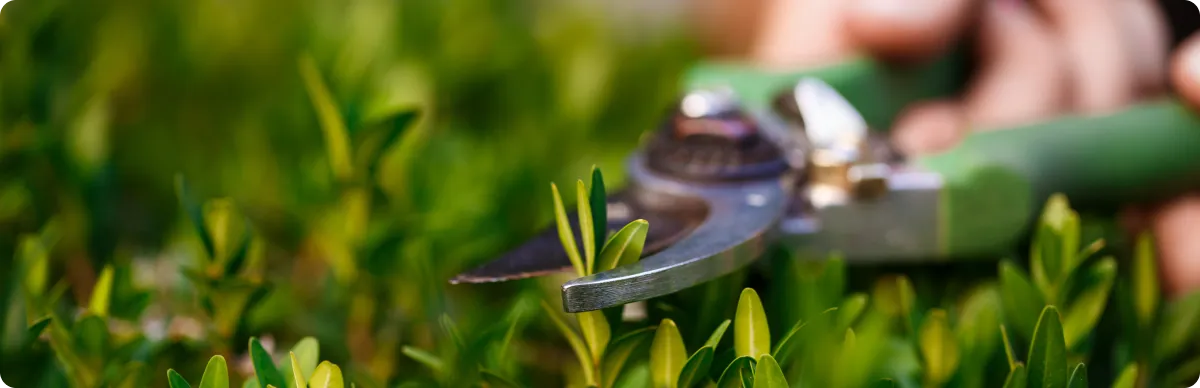
Enhanced Curb Appeal
Healthier Plant Growth
Reduced Pest Infestation
Improved Soil Quality
Professional and Reliable Service
Time and Effort Savings
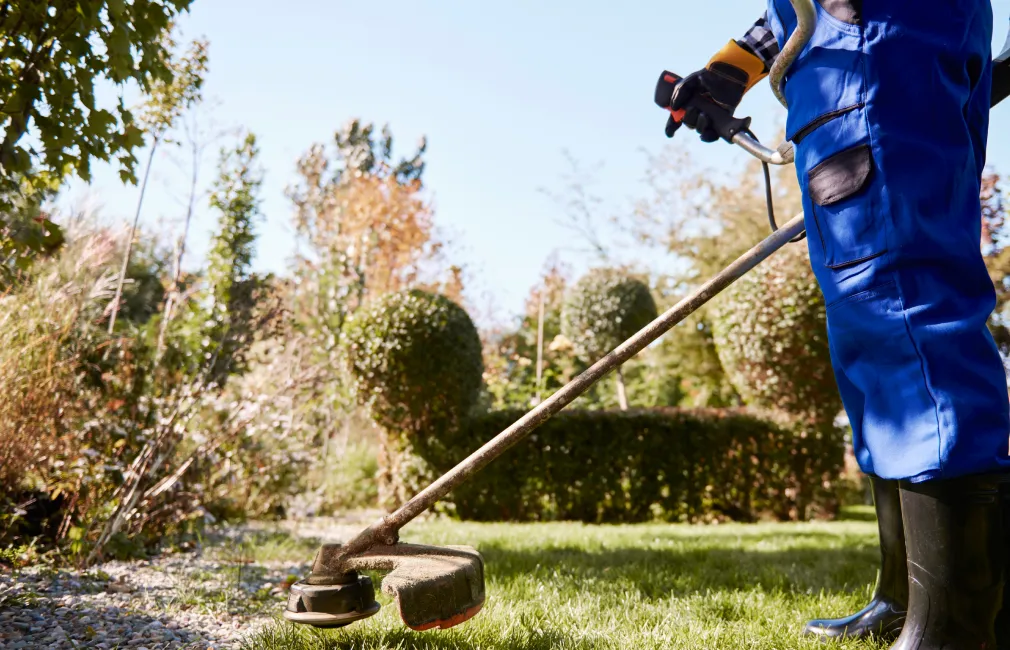
Temple Terrace Weeding Types

Hand Weeding
-
Mulch Application
-
Pre-Emergent Weed Control
-
Post-Emergent Herbicide Treatment
-
Landscape Fabric Installation
-
Mechanical Weed Removal
-
Selective Spot Spraying
Our Weeding Process
Site Evaluation
Weed Identification
Targeted Removal
Soil Treatment
Final Inspection
Why Choose Temple Terrace Landscape Services
-
Temple Terrace Homeowners Trust Us
-
Expert Lawn Maintenance
-
Reliable Scheduling
-
Competitive Pricing
-
Professional Team
-
Satisfaction Guarantee
-
Personalized Service
Coordinating Weeding and Vegetation Management with Temple Terrace Public Works
Effective weeding in Temple Terrace requires coordination with the city’s Public Works Department, especially when disposing of vegetative debris or maintaining areas adjacent to public rights-of-way. Residents and property managers must ensure that weeds and removed plant material are not left in swales, curb inlets, or drainage channels, as this can obstruct stormwater flow and contribute to localized flooding. The city provides guidelines for yard waste collection, and improper disposal may result in code enforcement action. For large-scale weeding projects or when working near public infrastructure, it is advisable to notify Public Works to confirm collection schedules and any restrictions on debris placement. Key steps include:
- Bundling or containerizing weeds and plant debris according to city collection standards
- Keeping all materials clear of storm drains, canals, and sidewalks
- Verifying collection days and procedures for bulk vegetative waste
Temple Terrace Public Works Department
11210 N 53rd St, Temple Terrace, FL 33617
Phone: 813-506-6570
Official Website: Temple Terrace Public Works Department
How Temple Terrace’s Central Florida Climate and Soils Shape Weeding Needs
Temple Terrace is situated in the Central Florida / Inland Peninsula region, characterized by a humid subtropical climate, pronounced wet and dry seasons, and predominantly sandy or fill-based urban soils. These conditions directly influence weed growth and management:
- The extended wet season (typically May through October) accelerates weed germination and spread, requiring more frequent monitoring and removal.
- Sandy soils, as identified by the USDA Web Soil Survey, drain quickly but can allow weed seeds to establish rapidly after rainfall.
- High humidity and summer heat (with average highs in the 90s°F) can stress desirable plants, giving aggressive weeds a competitive advantage, especially in poorly irrigated or compacted areas.
- Proximity to canals, swales, and retention ponds means that runoff from weeding activities can carry seeds or herbicides into sensitive water bodies if not managed carefully.
Regulatory Requirements and Environmental Compliance for Weeding in Temple Terrace
Weeding activities in Temple Terrace are subject to both municipal and state-level regulations. The city enforces property maintenance codes that require regular removal of nuisance vegetation to maintain neighborhood appearance and prevent overgrowth. When chemical weed control is used, applicators must comply with FDACS pesticide licensing requirements, and all applications must be performed in a manner that prevents drift or runoff into stormwater systems, as outlined by the Florida DEP NPDES Stormwater Program. Key compliance points include:
- Only licensed professionals may apply restricted-use herbicides
- Avoiding application before heavy rainfall to prevent chemical runoff
- Keeping all debris and clippings out of storm drains, swales, and water bodies
Temple Terrace Code Compliance Department
11250 N 56th St, Temple Terrace, FL 33617
Phone: 813-506-6680
Official Website: Temple Terrace Code Compliance Department
Professional Weeding Methods, Timing, and Standards for Temple Terrace Landscapes
Professional weeding in Temple Terrace should be timed and executed to minimize seed set and prevent weed proliferation during the region’s rapid growth periods. The following standards are recommended:
- Hand removal is preferred in beds and near water features to reduce chemical use and protect water quality
- Pre-emergent herbicides may be applied in late winter or early spring, before the main weed flush, but only by licensed applicators
- Post-emergent treatments should be targeted and performed during dry weather to avoid runoff
- Mulching beds with 2-3 inches of organic material helps suppress weed emergence and conserves soil moisture
- Regular inspection after heavy rains is essential, as weed pressure increases rapidly in moist, warm conditions For additional guidance on sustainable weeding and landscape care, consult UF/IFAS Gardening Solutions - Lawns and EPA WaterSense Outdoors.
Temple Terrace Parks and Recreation Department
6610 Whiteway Dr, Temple Terrace, FL 33617
Phone: 813-506-6600
Official Website: Temple Terrace Parks and Recreation Department
What Neighborhoods Do We Serve Throughout Temple Terrace, FL?
- Temple Terrace Estates This area features mature landscaping, large lots, and proximity to the Hillsborough River, requiring careful weeding to protect water quality.
- Riverhills Riverhills includes homes adjacent to golf courses and retention ponds, where weed management must account for runoff and irrigation intensity.
- Theresa Arbor Theresa Arbor’s shaded lots and established tree canopy create unique weed pressures in both turf and beds.
- Meadowood Condominiums This community’s shared green spaces and HOA standards necessitate coordinated weeding and debris management.
- Woodmont Woodmont’s smaller lots and urban context require frequent weeding to maintain curb appeal and comply with city codes.
- Del Rio Del Rio’s mix of older and newer homes, along with varied drainage patterns, influences weed growth and removal strategies.
- Raintree Raintree’s proximity to ponds and greenways means that weed control must be sensitive to adjacent natural areas and stormwater features.